Data-Driven ANALYSIS
Independent research, market signals, and operator-informed analysis—updated continuously to reflect how supply chain technology is actually evolving.

The Data Behind the Trends
Key metrics from our ongoing research — quantifying adoption, investment, and satisfaction across the supply chain technology landscape.
6.2
34%
14 MO
22%
The Real State of Warehouse Automation: What Operators Actually Experience vs. What Vendors Promise
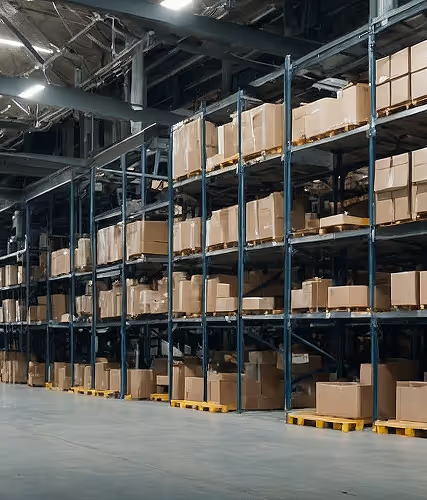
Our Q1 2026 field assessment across 24 distribution centers reveals a persistent gap between vendor-claimed automation ROI and operator-reported outcomes. While 78% of facilities we observed had deployed some form of goods-to-person automation, only 31% reported achieving the throughput targets outlined in their original business cases.
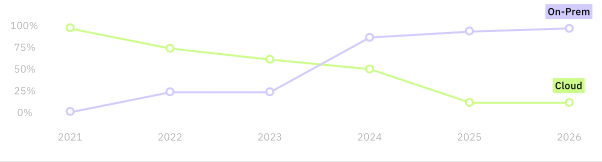
The issue isn’t the technology, it’s integration complexity. Facilities using automation with legacy WMS see a 23% productivity drop during peaks. Successful deployments use unified control, dedicated teams, and phased rollouts.
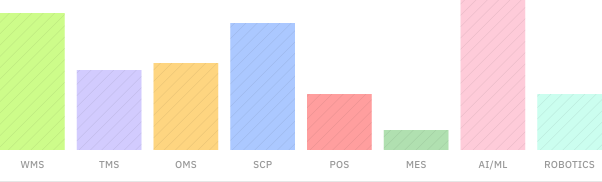
Key Signals by Category
Quick-read intelligence across each system category we track — tied to our ongoing research and vendor assessments.
Our Latest Insights

Stay Ahead of Supply Chain Innovation
Thank you for your submission!


Research

Vendors
Company